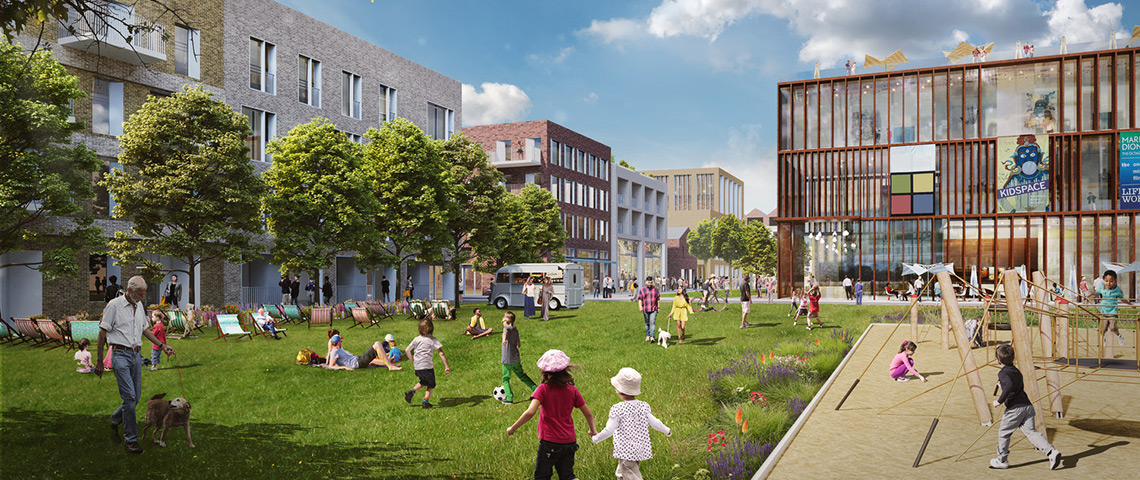
The global urban landscape is currently undergoing its most significant transformation since the industrial revolution, moving away from car-centric sprawl toward a model that prioritizes human proximity. At the center of this movement is the 15-minute city, a visionary urban planning concept where all essential daily needs—work, school, groceries, healthcare, and recreation—are accessible within a short walk or bike ride from one’s front door. By 2025, this model has shifted from a theoretical ideal to a practical blueprint for developers and policymakers worldwide, aiming to restore the “dignity of time” to millions of urban dwellers who have long been burdened by grueling commutes and social isolation.
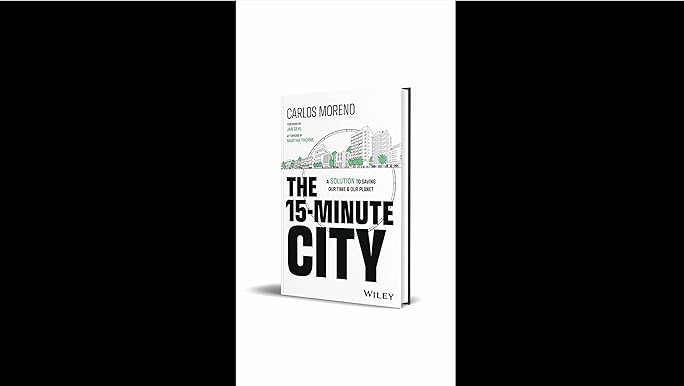
This evolution is rooted in the philosophy of chrono-urbanism, a term popularized by Professor Carlos Moreno, which suggests that the quality of urban life should be measured by time saved rather than distance traveled. In this new blueprint, the city is reimagined as a series of self-sufficient, polycentric hubs. Instead of a single, crowded central business district, a 15-minute community integrates high-density housing with mixed-use commercial spaces, ensuring that residents do not have to leave their immediate neighborhood to find high-value employment or world-class amenities. This hyper-localization effectively turns the city into a “neighborhood of neighborhoods,” fostering a deeper sense of place and belonging that is often lost in traditional metropolitan layouts.
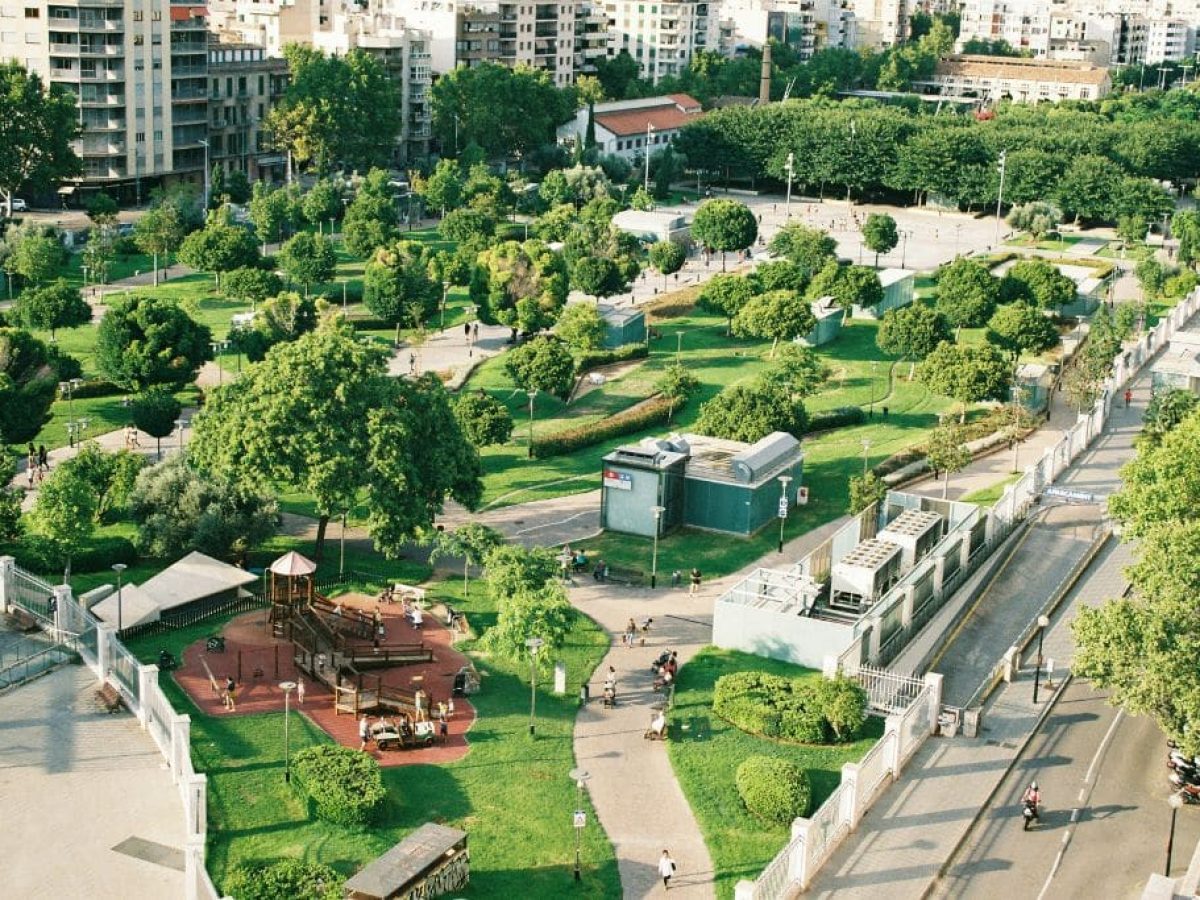
The environmental and health implications of this shift are profound. By reducing the heavy reliance on private vehicles, 15-minute communities significantly lower carbon emissions and improve local air quality, directly addressing the urgent challenges of climate change and urban heat islands. The design of these areas naturally encourages active mobility, where walking and cycling become the most convenient modes of transport. This built-in physical activity helps combat lifestyle-related diseases while providing residents with more opportunities for spontaneous social interactions. Furthermore, the integration of green spaces and pocket parks within these compact layouts provides vital “lungs” for the community, enhancing mental well-being and offering a sanctuary from the frantic pace of modern life.
In the Philippines, this global trend is taking a distinct local shape through the development of self-sustaining estates and “15-minute homes.” Leading developers like Ayala Land and SMDC have been at the forefront of this transition, masterplanning integrated communities such as Nuvali in Laguna and Arca South in Taguig. These estates are designed as ecosystems where residential villages are seamlessly connected to hospitals, schools, and offices through pedestrian-friendly pathways. This model is particularly relevant in the Philippine context, where chronic traffic congestion has long impacted productivity and family life. By localizing the daily rhythm of life, these communities are helping Filipinos reclaim hours of their day, allowing for a better balance between professional ambitions and personal well-being.
Ultimately, the rise of the 15-minute community represents a fundamental shift in how we value our urban environment. It is an acknowledgment that the most successful cities of the future will not be those with the fastest highways, but those that offer the most convenient and inclusive access to life’s essentials. As more cities adopt this human-scaled approach, the focus moves from simply “moving people” to “improving lives.” The result is a more resilient, sustainable, and equitable urban future where the city serves the needs of its people, rather than the other way around.
With additional report: ayalaland.com