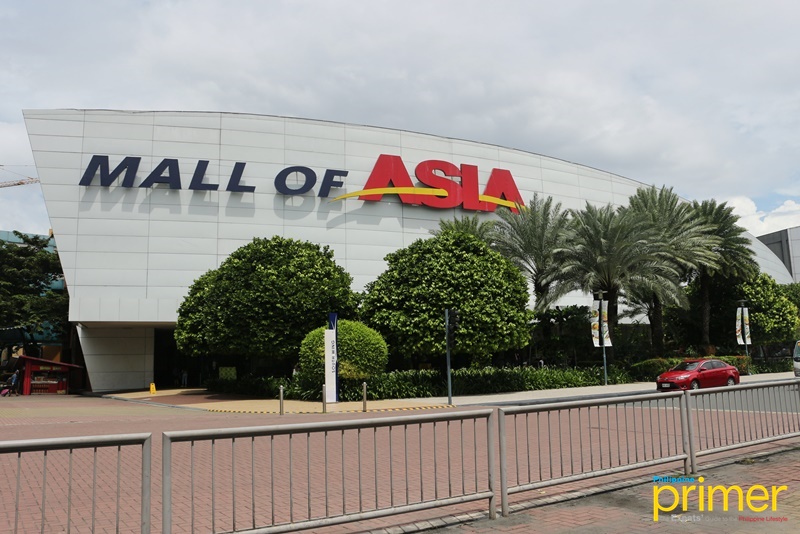
The concept of the city is undergoing a radical transformation as the traditional boundaries between commerce, residence, and recreation dissolve into a singular, fluid environment. In the heart of Pasay City, the Mall of Asia (MOA) complex has emerged as the definitive realization of this shift, officially positioning itself as the Philippines’ first true experience-centered city. Unlike historical urban centers built primarily around industry or governance, this sprawling estate is orchestrated to prioritize the human experience, ensuring that every interaction—from a morning jog to a global business summit—occurs within a seamless, high-value ecosystem.
At the core of this transformation is the bold expansion of the complex’s vertical and horizontal footprint. The recent re-inauguration of MOA Sky in early 2025 serves as a prime example of this “experience-first” philosophy. What was once a simple rooftop has been reimagined as a multi-functional sanctuary in the sky, featuring the Adidas Football Park, a FIFA-grade artificial pitch that allows athletes and enthusiasts to play with a panoramic view of the horizon. Adjacent to this athletic hub is the MOA Sanctuary, a peaceful glass-enclosed space designed for meditation and reflection, alongside the MOA Paw Park and the MOA Sky Amphitheater, which hosts open-air performances under the stars. This elevation of leisure spaces reflects a broader commitment to integrating wellness and culture into the daily rhythm of the city.
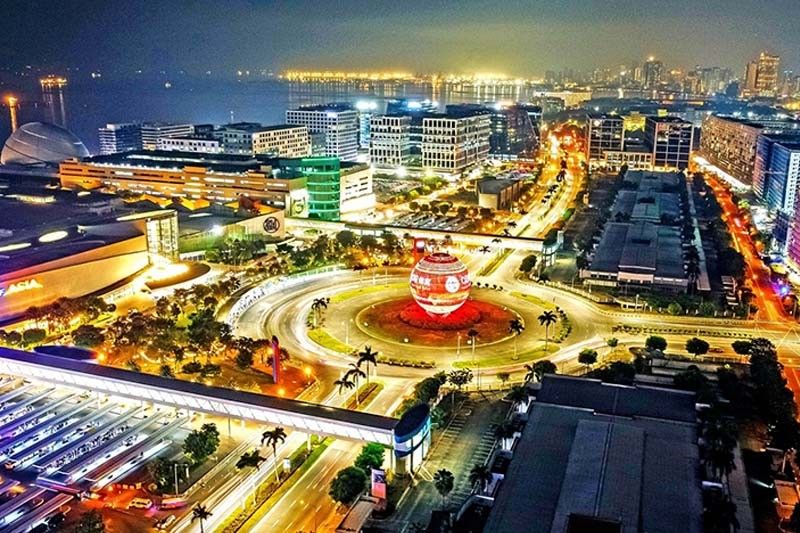
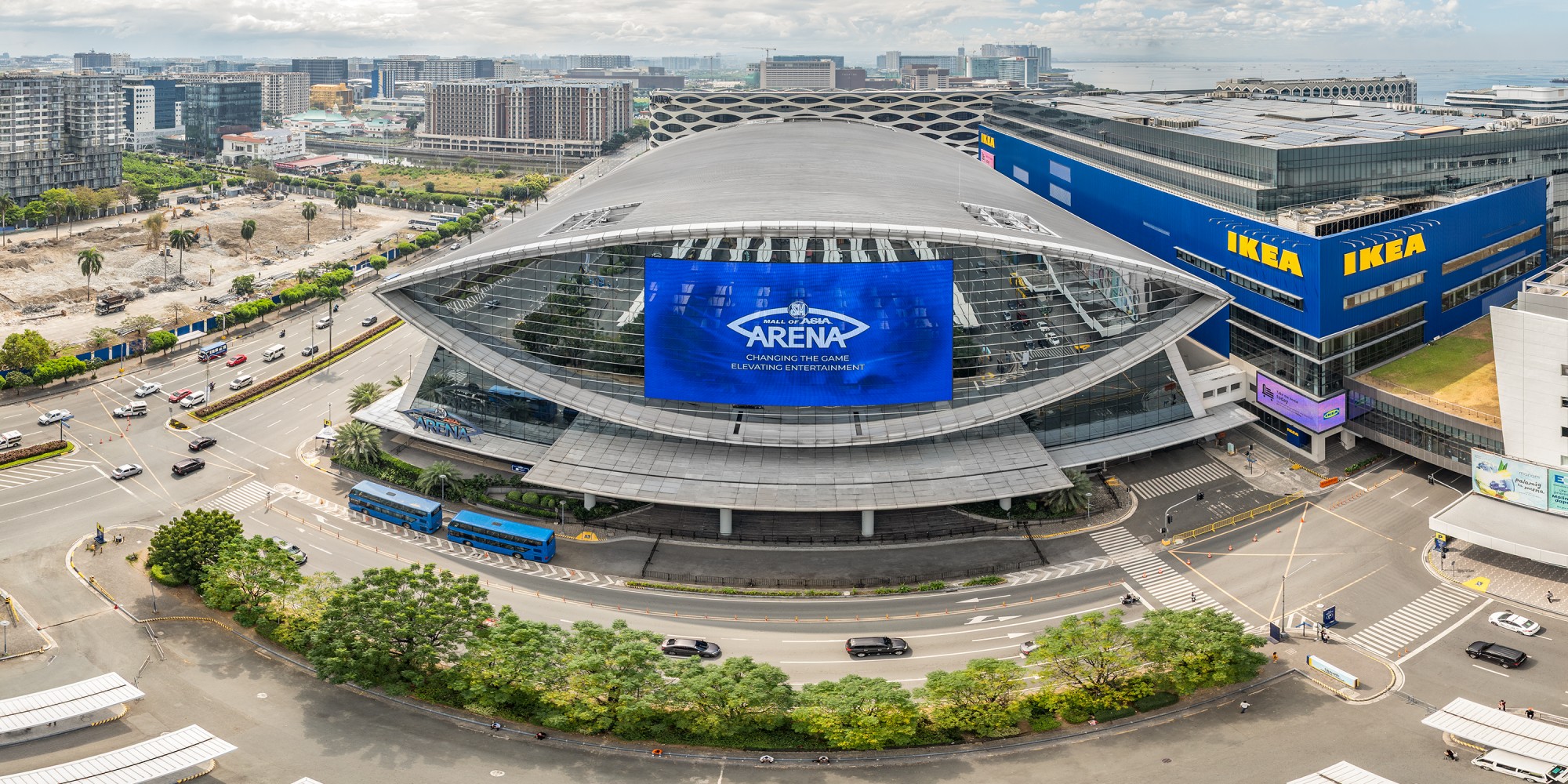
The synergy between business and entertainment is further solidified by the rise of the SMX Center for International Trade and Exhibitions (SMXCITE). Designed to be the most advanced trade venue in the country, it creates a self-reinforcing cycle of activity where international delegates can transition from high-stakes conventions to world-class entertainment at the MOA Arena or luxury dining at S’Maison without ever leaving the district. This integration is not just about proximity; it is about “urban orchestration,” where the infrastructure is designed to anticipate the needs of a globalized workforce that no longer separates work from life.
Sustainability and innovation remain the bedrock of this modern estate. From the world’s largest IKEA store to the 2.7-megawatt solar carpark that supplies a significant portion of the complex’s energy, the MOA ecosystem proves that large-scale urban living can be environmentally responsible. Residential developments like Ice Tower Residential-Office and Sail Residences are woven directly into this commercial fabric, offering a lifestyle where “home” extends far beyond the four walls of an apartment. Residents here live within a curated city that offers a front-row seat to the famous Manila Bay sunset, integrated with the efficiency of a smart, connected business district.
As the complex continues to evolve, it serves as a living laboratory for the future of Philippine urbanism. By successfully merging retail therapy with athletic achievement, artistic expression, and professional excellence, the Mall of Asia complex has moved beyond being just a destination to becoming a complete way of life. It stands today as a testament to Filipino ingenuity and a clear signal that the future of the city is no longer about where we go, but about how we experience the world around us.
With additional report: smdc.com