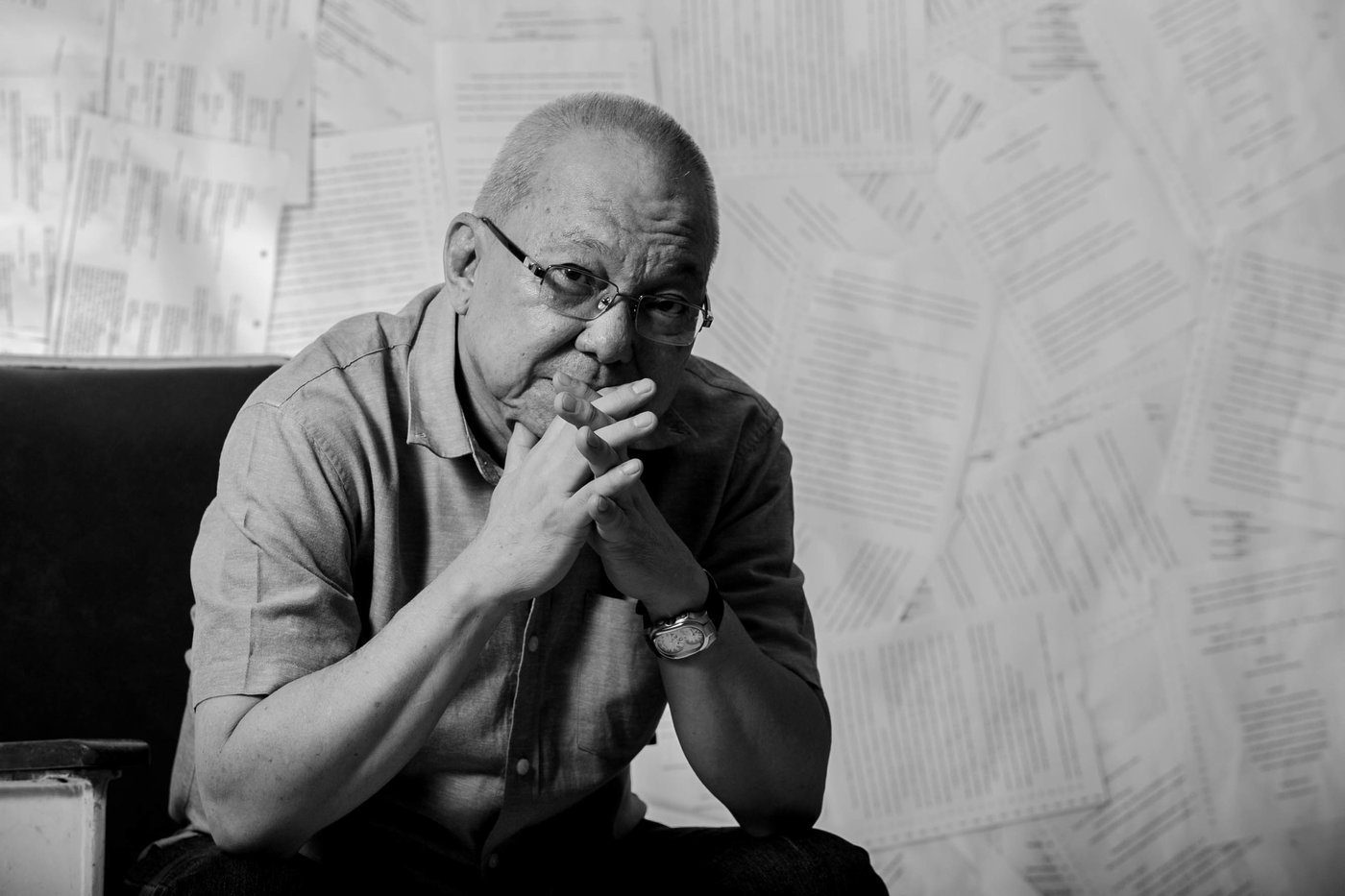

National Artist for Film and Broadcast Arts Ricky Lee is a man who knows the power of a dark room and a flickering screen. Having penned over 180 scripts that have defined generations of Philippine cinema—from the haunting Himala to the radical Moral—Lee has spent a lifetime observing the profound connection between a story and its audience. However, in late 2025, his voice carries a distinct note of both urgency and hope. As the digital age and the convenience of streaming apps continue to reshape the Filipino lifestyle, Lee is championing a return to the physical movie house, urging Filipinos to rediscover the “divine” experience of surrendering to a story on a grand scale.

For Lee, the act of watching a film at home is primarily an act of control; a viewer can pause, rewind, or look away at any moment. But in a cinema, he argues, we lose that control and allow the story to envelop us completely. This surrender is what makes cinema a unique form of magic. He has often noted with a sense of melancholy the sight of sparsely populated theaters during regular screenings, contrasted with the sudden vibrancy of film festivals like Cinemalaya or the Metro Manila Film Festival. To Lee, the survival of the industry depends not just on the brilliance of the creators or the talent of the stars, but on the physical presence of the audience. He believes that the shared energy of a collective of strangers reacting together is the final, essential ingredient that truly completes a film.
His recent literary works, particularly his 2025 novel Pinilakang Tabing (Silver Screen), serve as a long-form love letter to this very relationship. The novel explores how the movies we watch shape our memories and define our identities over the span of forty years. By launching this work alongside his non-fiction anthology Agaw-Tingin, Lee reminds the public that cinema is more than just a commercial product; it is a mirror to the national soul. Supporting local films is, in his view, a way of protecting our collective history and cultural heritage. He continues to advocate for the visibility of the “invisible” laborers of the industry—especially the writers—who craft the foundations of the stories we hold dear.

As the industry prepares for the year-end surge of local releases, Ricky Lee’s message remains a guiding light for both filmmakers and film buffs. He is calling on a new generation of moviegoers to step away from their personal devices and back into the communal space of the theater. It is a plea for the Filipino people to take pride in their own narratives and to invest in the artists who dare to tell them. By choosing to support local films on the big screen, we are doing more than just buying a ticket; we are ensuring that the river of Filipino storytelling continues to flow, vibrant and uninterrupted, for the generations of dreamers yet to come.
With additional report: philstar.com