
MANILA — President Ferdinand “Bongbong” Marcos Jr. on Tuesday urged lawmakers to prioritize a slate of reform measures in the remaining weeks of the 20th Congress, placing renewed focus on long-standing proposals to curb political dynasties and overhaul the party-list system.
In a meeting of the Legislative-Executive Development Advisory Council (LEDAC) at Malacañang, Marcos directed both the Senate and House of Representatives to take up four major legislative measures: the Anti-Dynasty Bill, the Independent People’s Commission Act, the Party-List System Reform Act, and the Citizens Access and Disclosure of Expenditures for National Accountability (CADENA) Act. He emphasized the importance of advancing these bills as part of efforts to strengthen democratic institutions and promote transparency in government.

The anti-dynasty proposal seeks to finally implement the 1987 Constitution’s long-unrealized mandate to prohibit political dynasties, a reform that has languished in Congress for decades. Several versions of the bill have been filed in both chambers, and lawmakers from various parties have also backed similar measures.
Marcos’ appeal follows public scrutiny of entrenched political interests and widespread calls for greater accountability in governance. Palace officials said the administration’s push also targets alleged abuses within the current party-list system, which critics argue has been dominated by powerful politicians rather than representing the marginalized sectors it was created to serve.
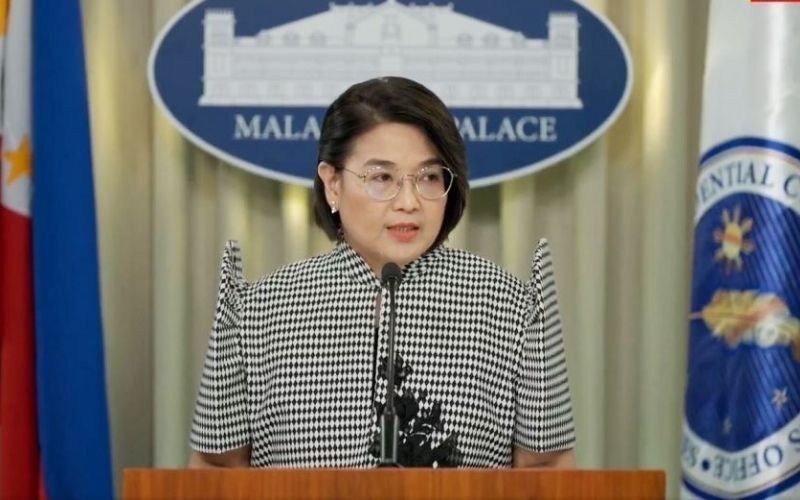
Undersecretary Claire Castro of the Presidential Communications Office said Marcos wants Filipinos to exercise meaningful choice in elections and sees reforming the party-list mechanism as part of that goal. The proposed Party-List System Reform Act would introduce tighter safeguards to ensure that nominees genuinely represent their constituencies.
The IPC Act, meanwhile, aims to establish an independent body with powers to investigate government infrastructure anomalies and corruption, while the CADENA Act would mandate real-time public disclosure of government expenditures to enhance fiscal transparency.
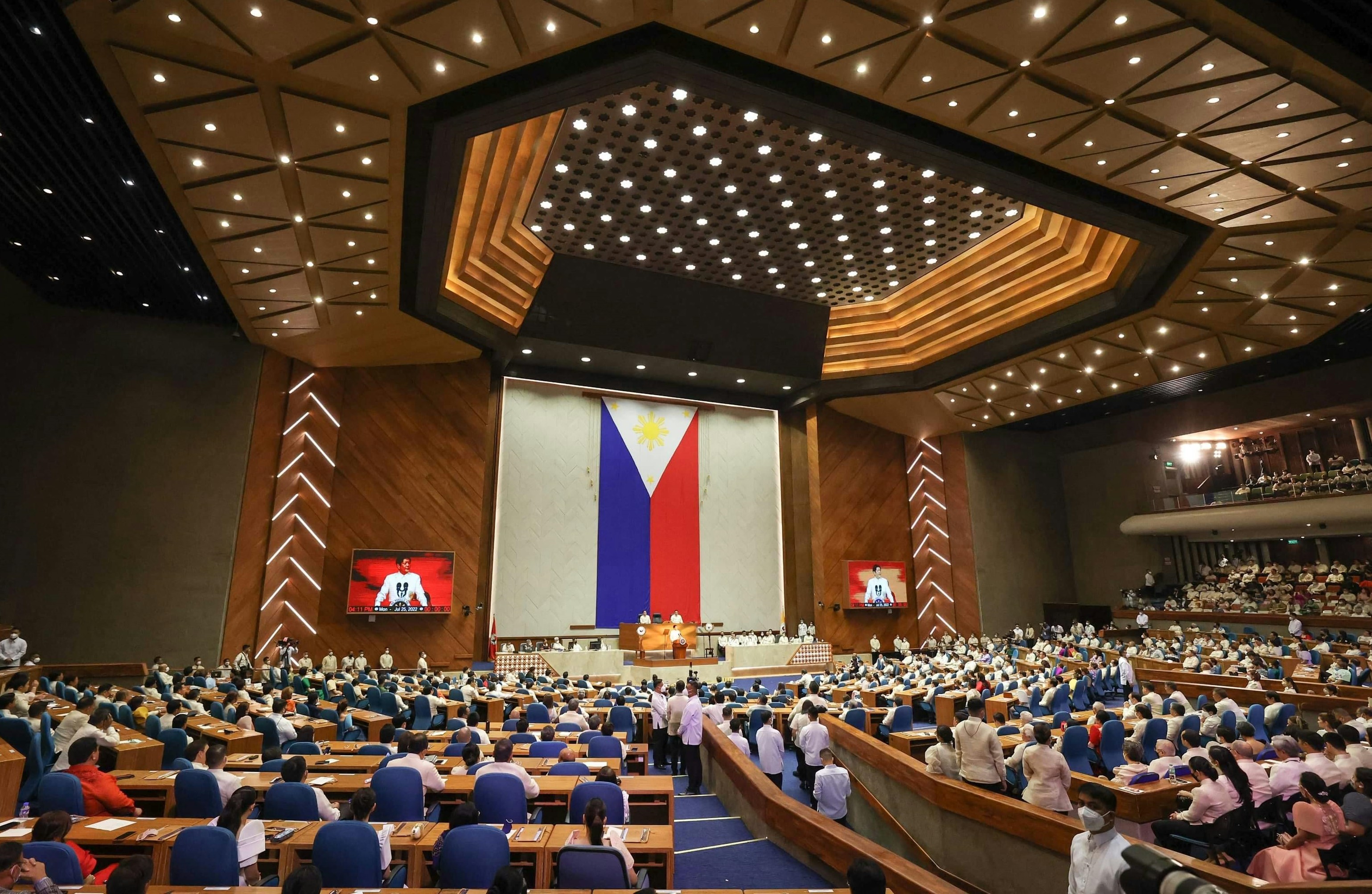
Despite the president’s directive, some lawmakers have urged Marcos to go further and certify the bills as urgent, which would allow Congress to fast-track their passage before the Christmas break. Critics have warned that simply listing measures as priorities may not be sufficient given the limited legislative calendar.
The directive comes as national headlines — continue to spotlight the anti-dynasty debate and other political developments shaping the country’s governance agenda.
As Congress prepares to tackle its remaining session days, the push for political and institutional reform is likely to remain at the forefront of both legislative activity and public discourse in the Philippines.