
The Commission on Population and Development (CPD) has raised a red flag over the latest figures from the Philippine Statistics Authority (PSA), which reveal that the Philippines recorded a total of 138,697 live births among adolescent mothers aged 10 to 19 in 2024. While the overall number of pregnancies among older teenagers is showing a downward trend, officials are deeply concerned by a persistent and “alarming” increase in births among girls aged 10 to 14—a demographic the agency now describes as “child pregnancies.”
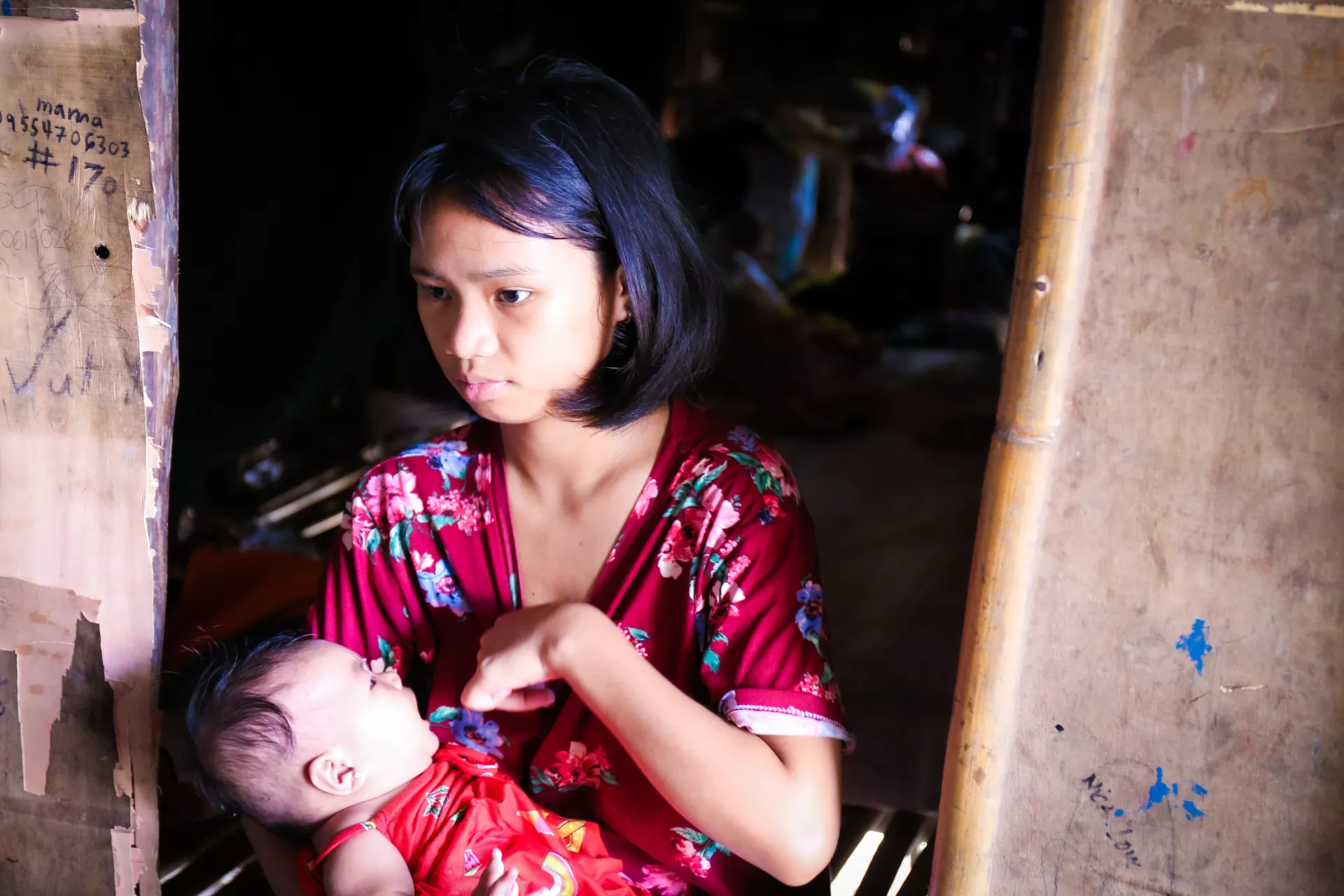
According to the report released in February 2026, the number of mothers under the age of 15 rose to 3,612 in 2024, up from 3,343 in 2023 and 3,135 in 2022. CPD Executive Director Lisa Bersales noted that this age group requires urgent, specialized attention because children under 15 are physically and emotionally unfit for the rigors of motherhood. The agency pointed out that while government interventions have been effective for the 15-to-19 age bracket, the younger group is increasingly vulnerable to external influences, including unrestricted social media exposure and a lack of parental guidance.
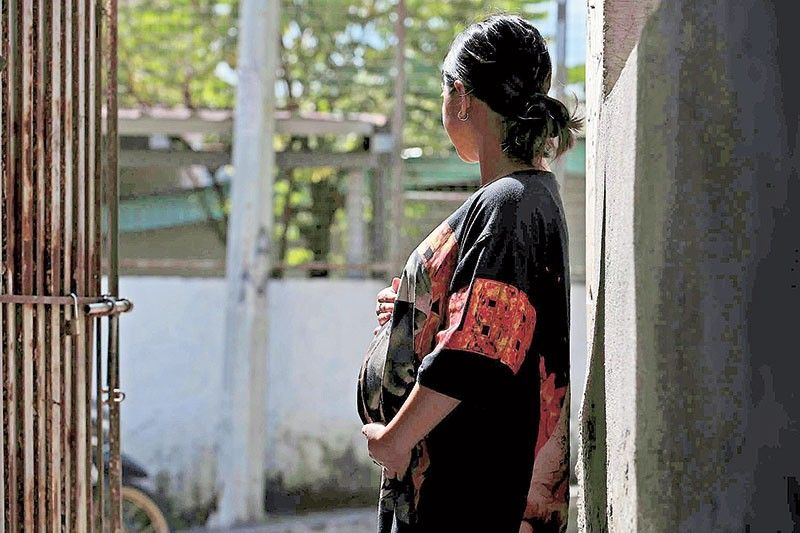
Geographically, Calabarzon remains the region with the highest number of adolescent mothers, recording 16,827 cases. It is followed by Central Luzon with 14,729 and the National Capital Region (NCR) with 10,656. Northern Mindanao and Soccsksargen also posted high figures, with 10,394 and 9,588 respectively. The CPD emphasized that poverty and low educational attainment remain the primary drivers of these statistics, as many young mothers come from low-income families where access to reproductive health services and information is limited.
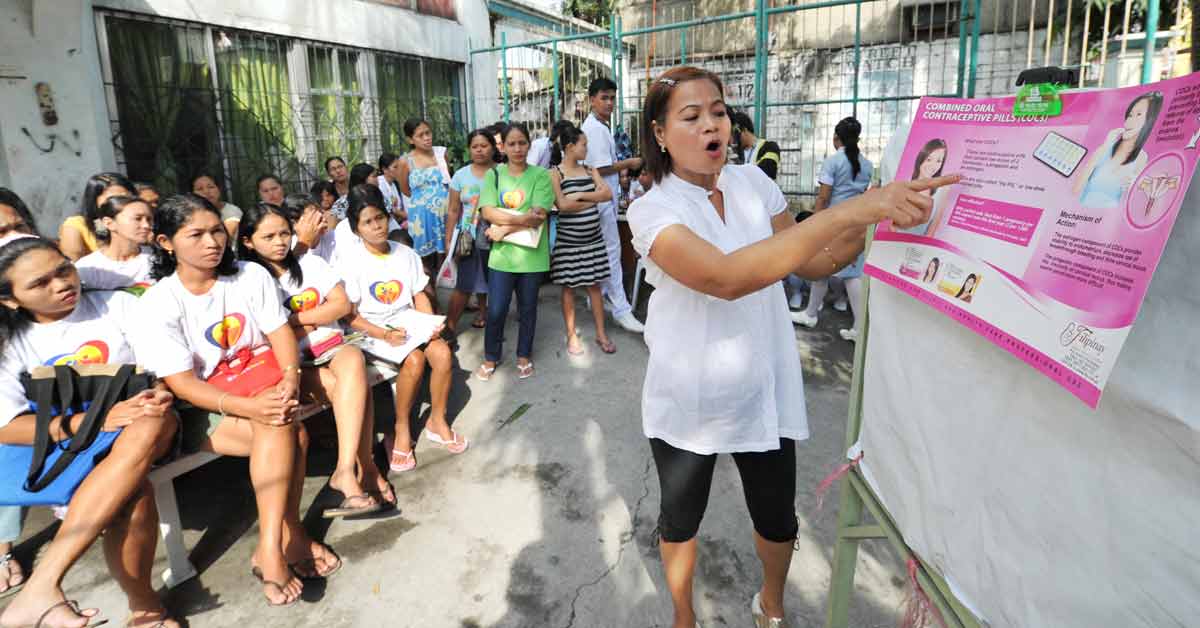
The economic impact of this crisis is equally staggering, with studies suggesting that teenage pregnancy costs the Philippine economy approximately ₱33 billion annually in lost opportunities and foregone earnings. To combat this, the CPD is intensifying its “Parent-Teen Talk” program and working with local government units to establish functional teen centers. The goal is to move beyond mere awareness and provide concrete social protection for young mothers, ensuring they can return to school and break the cycle of repeat pregnancies before they reach the age of 20.
with additional report: rappler.com