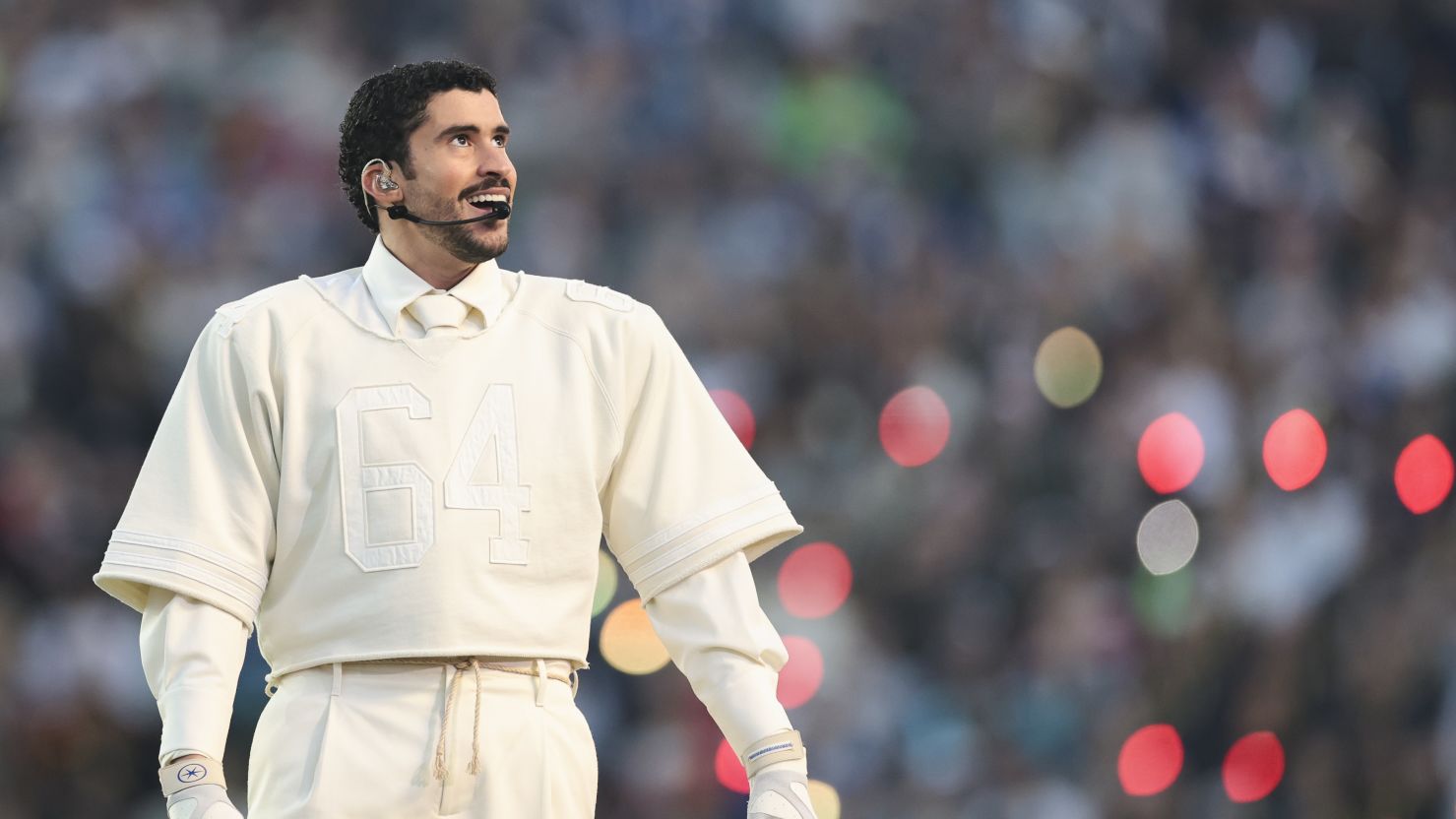

Santa Clara, California — Bad Bunny transformed the Super Bowl LX halftime show into a powerful celebration of Latin culture, identity and unity, making history as the first solo headliner to perform largely in Spanish on the NFL’s biggest stage.
Performing before millions at Levi’s Stadium on February 8, the Puerto Rican superstar—born Benito Antonio Martínez Ocasio—delivered a 13-minute spectacle that blended reggaeton, pop, social commentary and cultural symbolism. More than a concert, the show unfolded like a visual story of heritage, resilience and pride across the Americas.
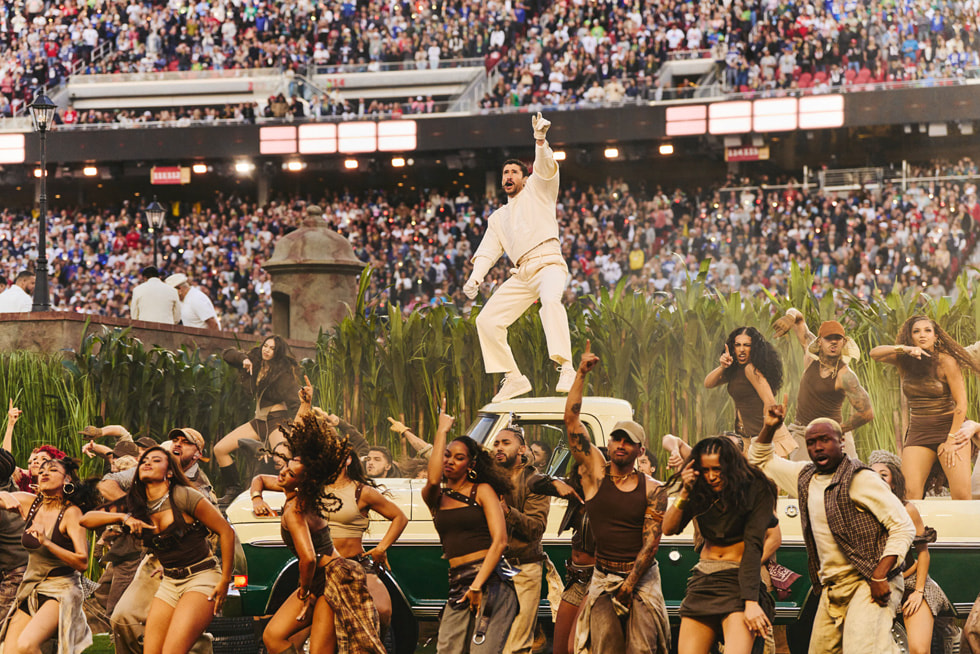
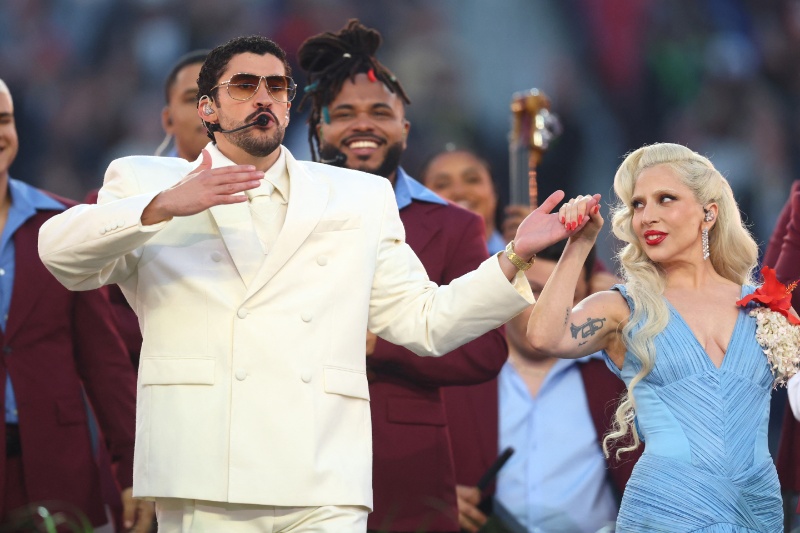
From the opening seconds, Bad Bunny set the tone. Emerging through towering sugarcane fields, he launched into a high-energy medley of career-defining hits, moving seamlessly from Tití Me Preguntó and Yo Perreo Sola to Monaco, BAILE INoLVIDABLE and NUEVAYoL. The setlist also paid tribute to Latin music history, weaving in classics and surprise collaborations that drew roaring reactions from the crowd.
Throughout the performance, the football field transformed into a living portrait of Latin life. Scenes featured piragua vendors, domino tables, dancers in barrio-inspired costumes and wedding imagery—each moment reflecting the everyday experiences of Puerto Rican and Latino communities. During El Apagón, performers climbed electric poles, symbolizing Puerto Rico’s long-standing power crisis, while flags from across North, Central and South America filled the stadium to emphasize unity.
The emotional finale sent a clear message. Bad Bunny held up a football inscribed with the words “Together We Are America,” listing countries across the Western Hemisphere before spiking it to close the show—underscoring that “America” extends far beyond borders and language.
The performance quickly went viral, not only for its cultural impact but also for a brief moment that sparked online speculation. Social media users claimed a young boy who appeared onstage was Liam Conejo Ramos, a child recently detained with his father by U.S. Immigration and Customs Enforcement. The claim was later debunked. The child was an actor portraying a symbolic younger version of Bad Bunny, meant to represent dreams, hope and the artist’s own beginnings.
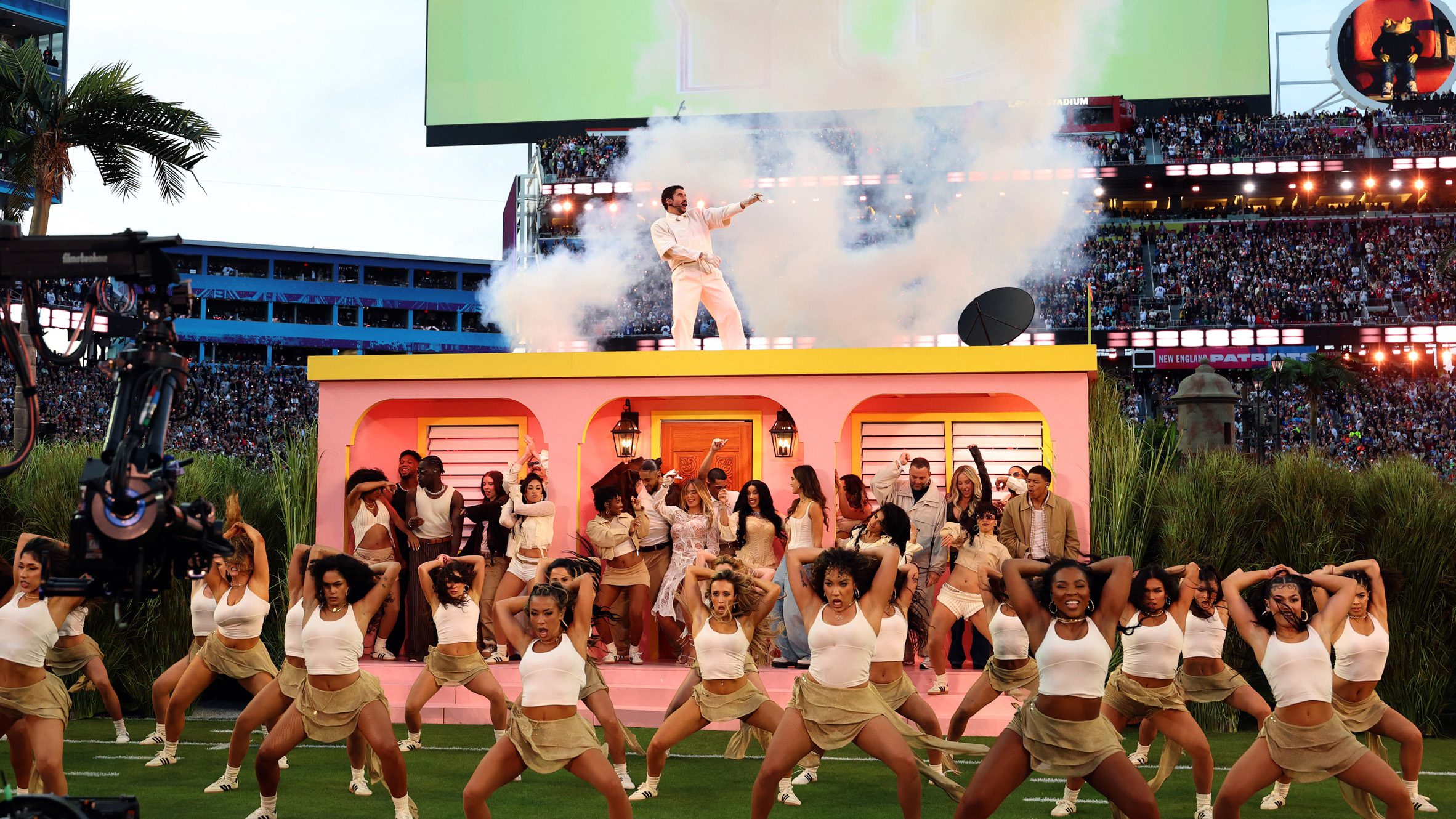
Reactions to the show were passionate and wide-ranging. Fans and cultural leaders praised Bad Bunny for centering Latino identity and storytelling on a global platform. Critics, including some conservative figures, questioned the show’s political and social undertones, sparking national debate about representation, artistic freedom and the evolving meaning of the Super Bowl halftime stage.
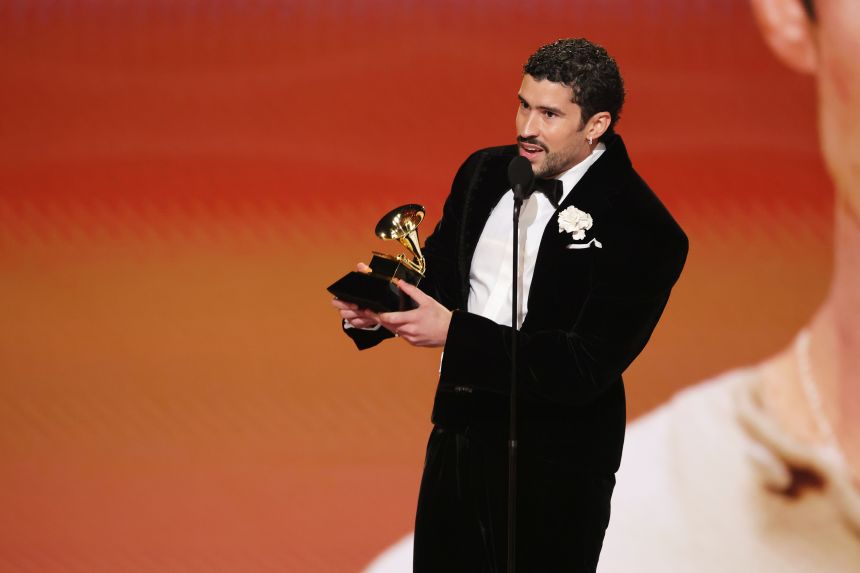
Despite the controversy, the impact was immediate. Streaming numbers for Bad Bunny’s music surged following the broadcast, with several tracks climbing digital charts within hours.
In the end, Bad Bunny’s halftime performance was not just entertainment—it was a statement. By turning the world’s biggest sporting event into a celebration of culture, language and unity, he reshaped what the Super Bowl stage can represent, leaving a moment that will be remembered long after the final whistle.