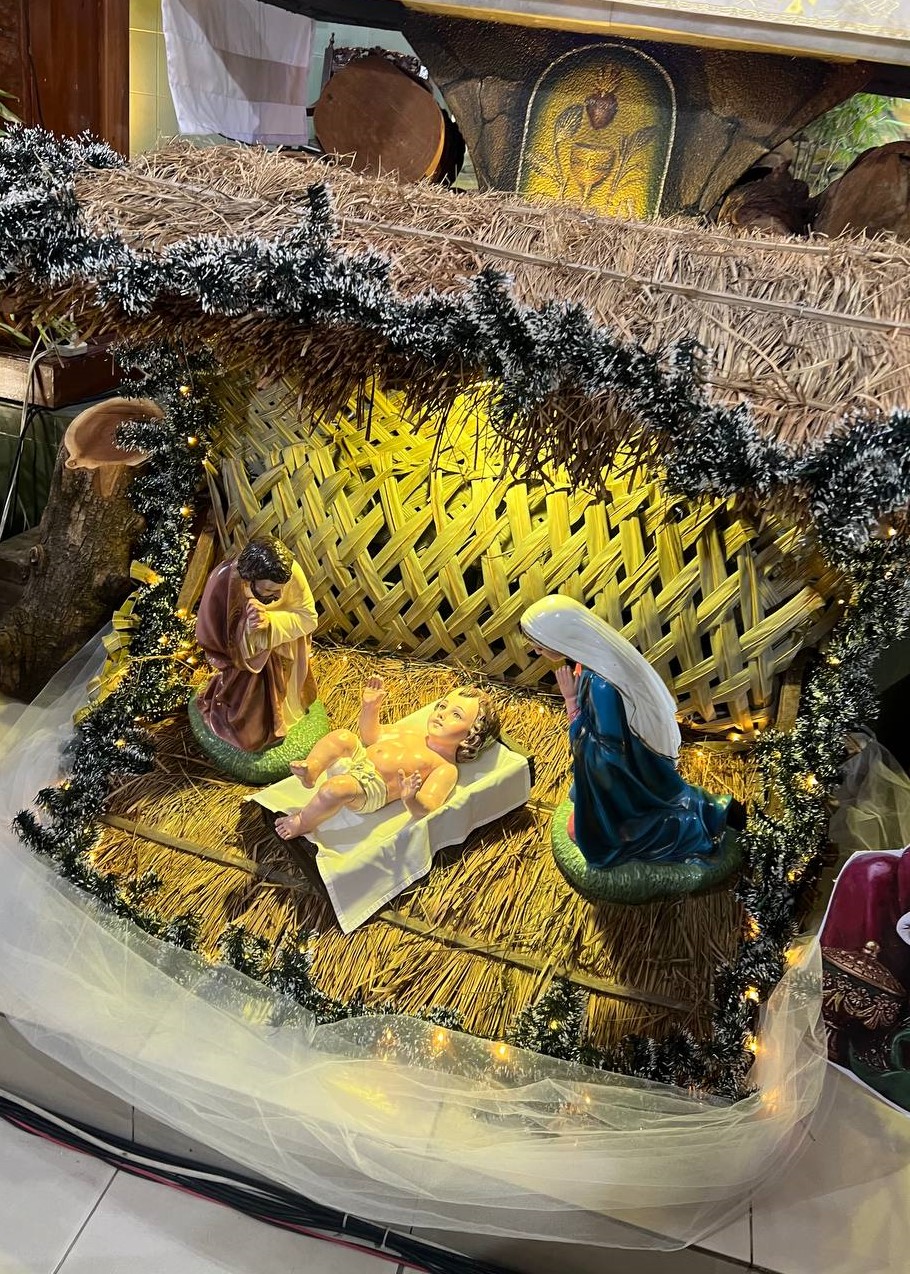
Christmas is celebrated in many parts of the world every December, but in the Philippines, the season is deeply rooted in faith, tradition, and a strong sense of community. As the holiday approaches, churches across the country once again fill with worshippers observing one of the most cherished Filipino Christmas traditions—the nine-day Simbang Gabi, also known as Misa de Gallo.
Simbang Gabi is a series of dawn Masses held from December 16 to December 24, leading up to Christmas Eve. Long before sunrise, even before the crowing of roosters, Filipinos gather in churches—large or small—to take part in the devotion. Despite the early hours, churches are often filled with the faithful, reflecting the strong religious devotion of Filipinos during the Christmas season.
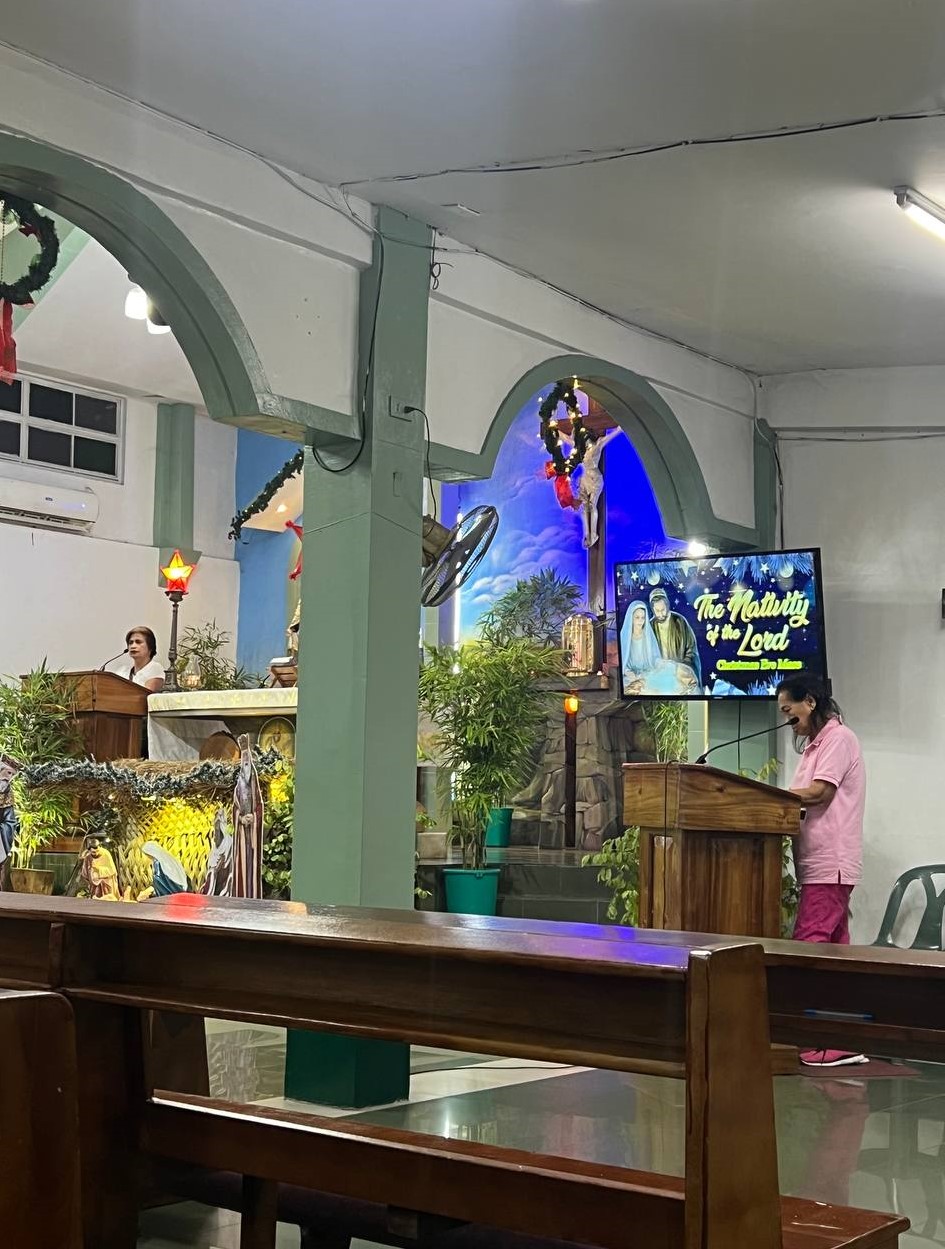
A popular belief associated with Simbang Gabi is that completing all nine Masses allows a devotee to make a wish that may be granted. However, church leaders often emphasize that the tradition goes beyond personal intentions. Simbang Gabi serves as a spiritual preparation for the birth of Jesus Christ, our Savior.
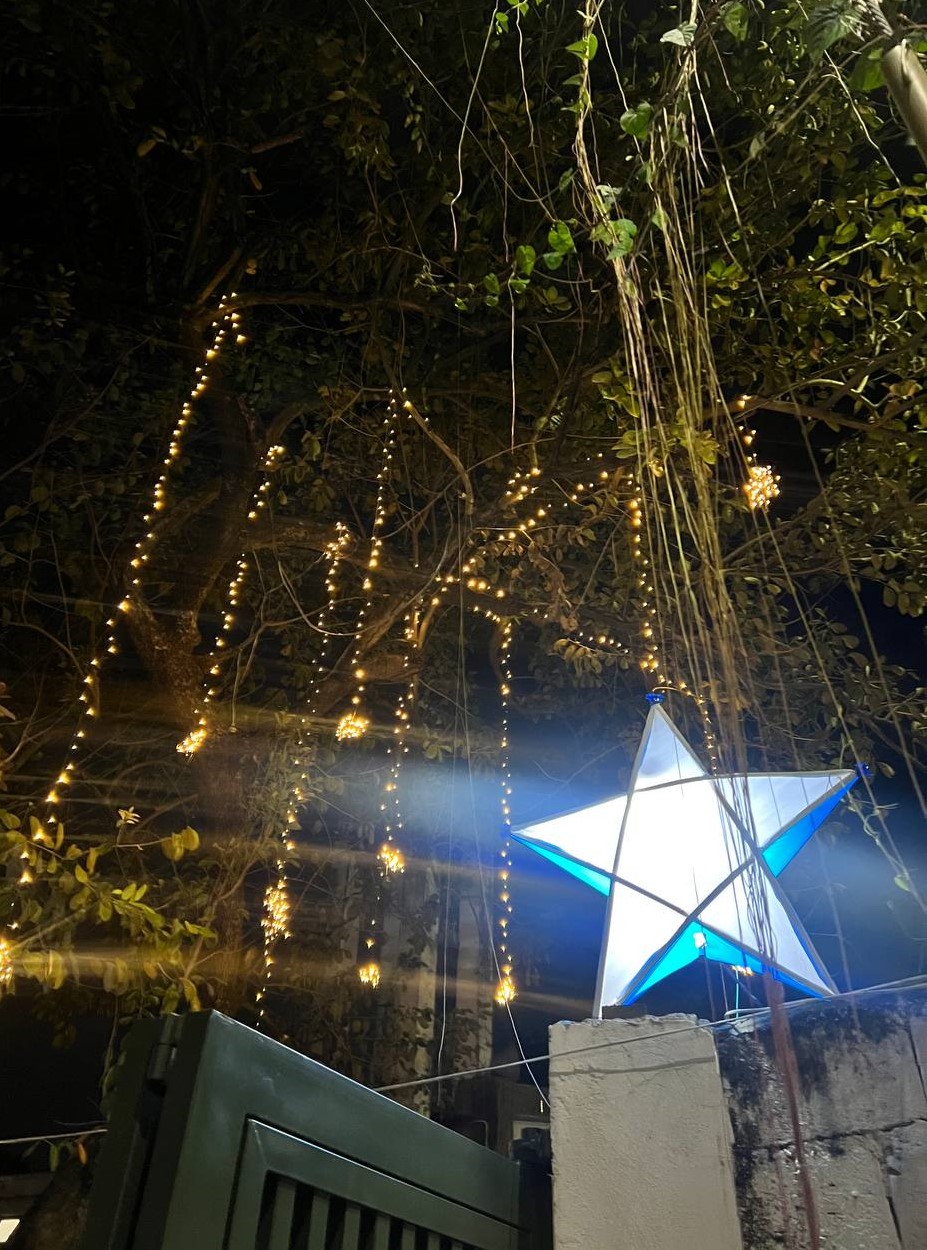
Attending the early morning Masses is considered a sacrifice, requiring worshippers to wake up earlier than usual, endure the cold dawn air, and stay awake throughout the service. Christmas hymns and carols sung during the Mass further strengthen the atmosphere of anticipation, reminding the faithful of the coming celebration of Christ’s birth.
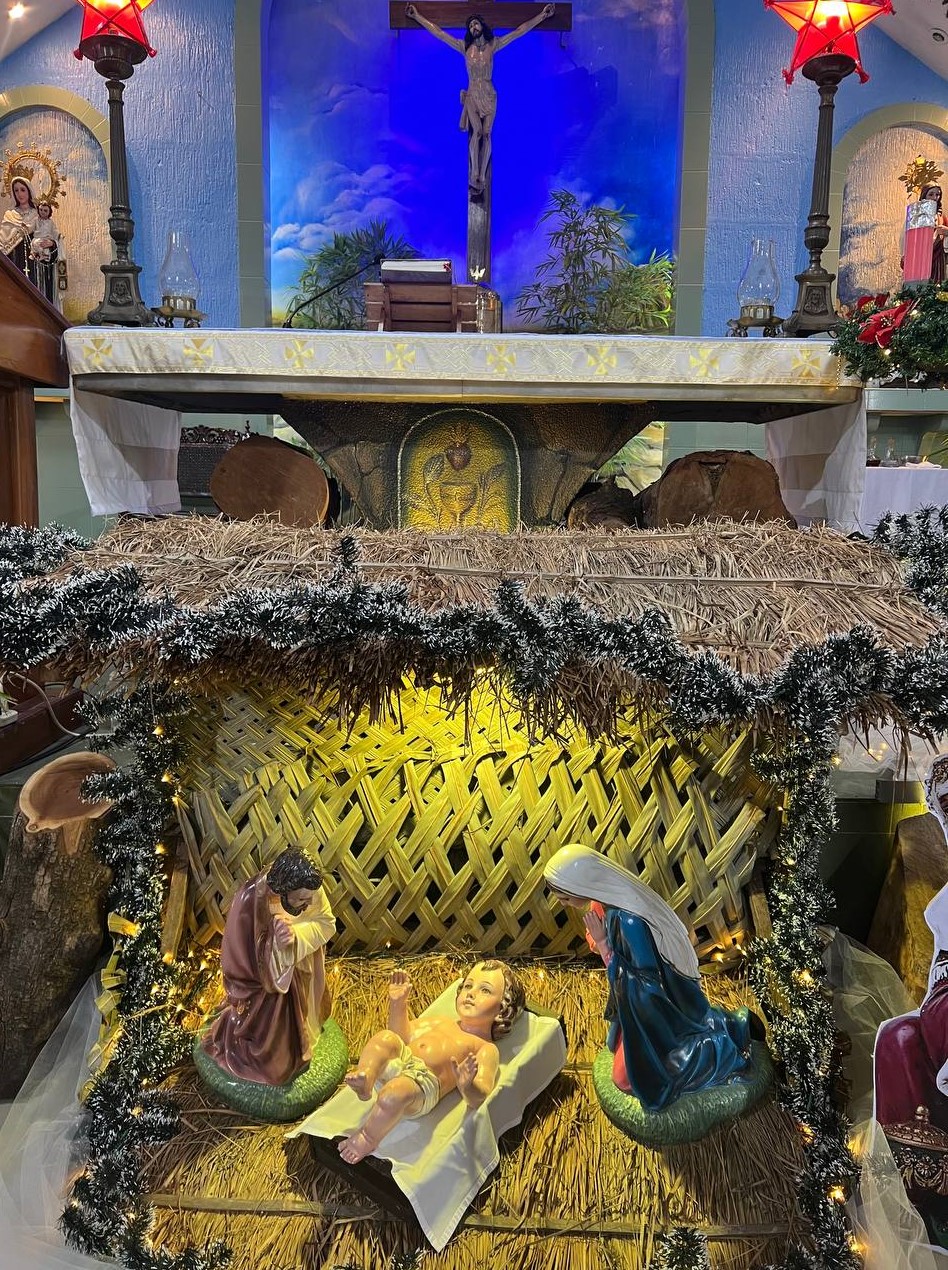
In one homily, a priest emphasized that Simbang Gabi is not merely about fulfilling personal wishes or goals, but about willingly participating in the preparation and celebration of someone dear to the faithful. While the birth of Christ occurred centuries ago, the annual act of remembering and celebrating it continues to give meaning to the season.
For many Filipinos, this enduring tradition captures the true essence of Christmas—faith, sacrifice, and shared hope—making the holiday season in the Philippines truly distinct.