Navigating the requirements for international travel can be a daunting task for any parent, but when it involves a minor traveling without both parents, the stakes are significantly higher. In the Philippines, the Department of Social Welfare and Development (DSWD) implements strict protocols to safeguard children from trafficking and exploitation. One of the most critical components of this safety net is the Travel Clearance for Minors. As a mother, ensuring you have the proper legal consent documented is not just a bureaucratic hurdle; it is a fundamental step in protecting your child’s welfare and ensuring their journey proceeds without interruption.
The necessity of a DSWD travel clearance depends largely on the child’s circumstances and who they are traveling with. Generally, a minor who is a Filipino citizen and traveling alone or with a person other than their parents must secure this clearance before departure. For mothers, it is important to note that if a child is traveling with you and was born out of wedlock, the DSWD typically does not require a travel clearance because, under Philippine law, the mother has sole parental authority. However, if the child is legitimate and traveling only with the mother, some airlines or destination countries may still request an Affidavit of Support and Consent from the father, even if the DSWD itself does not mandate a clearance for a child traveling with a biological parent.
With additional report: philstar.com
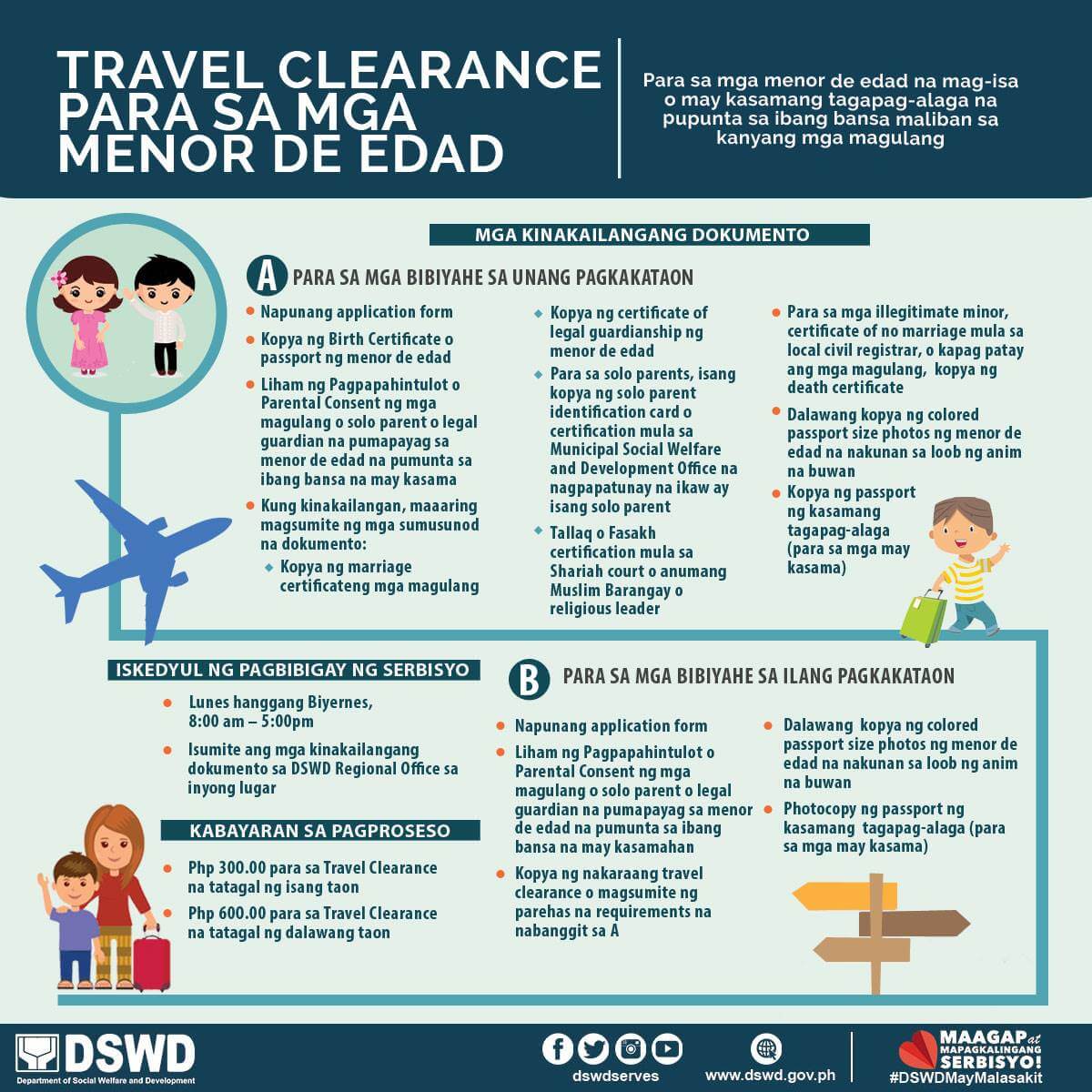
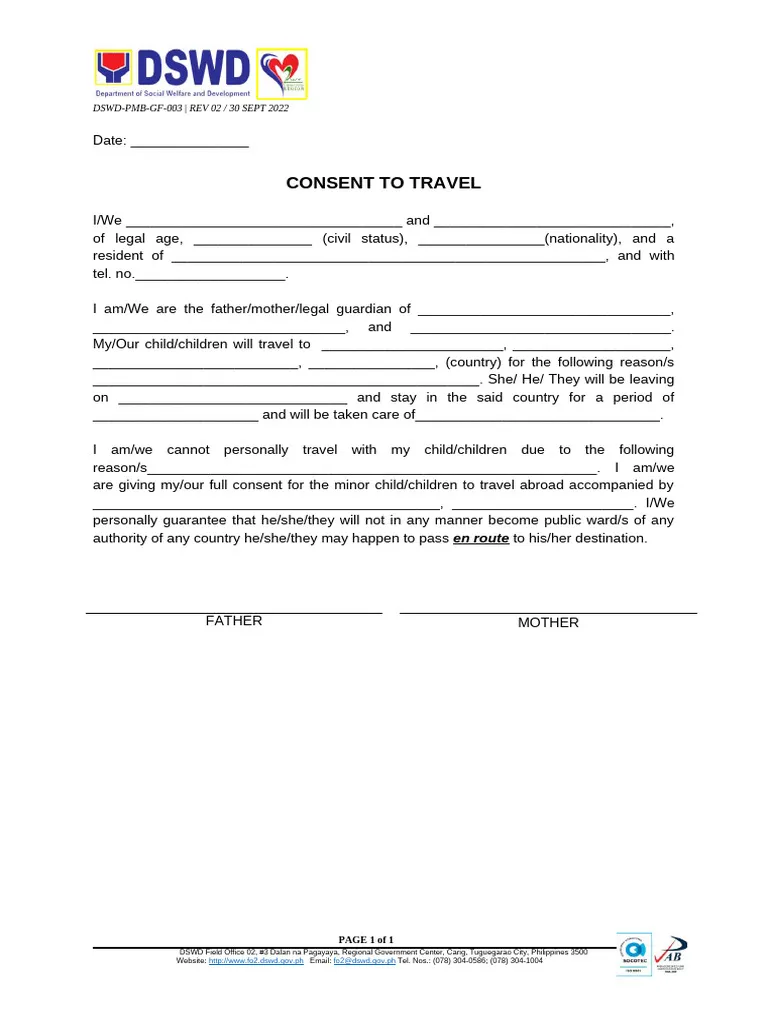
The process of obtaining this clearance begins with the preparation of the Affidavit of Support and Consent. This legal document must be signed by the parent or parents who are not accompanying the child and must be duly notarized. If the father is working abroad, this document must be authenticated or apostilled by the Philippine Embassy or Consulate in the country where he is stationed. In addition to this affidavit, mothers must provide the child’s birth certificate issued by the Philippine Statistics Authority and a valid passport. If the minor is traveling with a companion, the mother must also provide a copy of that companion’s passport to ensure the DSWD can verify the child’s safety during the entire duration of the trip.
Mothers should also be aware of the specific timelines involved in the application process. It is highly recommended to file the application at the nearest DSWD Field Office at least two weeks before the intended date of departure. This window allows for the thorough verification of documents and provides a buffer for any unforeseen issues or additional requirements that the social worker might request. The resulting clearance is typically valid for one to two years, depending on the purpose of the travel, and can be used for multiple trips if specified during the application process.
Ultimately, being well-prepared is the best way to ensure that your child’s international trip is a positive and stress-free experience. While the paperwork may seem extensive, it serves as a vital safeguard that reflects the country’s commitment to the protection of minors. By staying informed about the latest DSWD guidelines and meticulously organizing the necessary affidavits and certificates, you can focus on the excitement of the journey ahead rather than the stress of the boarding gate.
With additional report: philstar.com