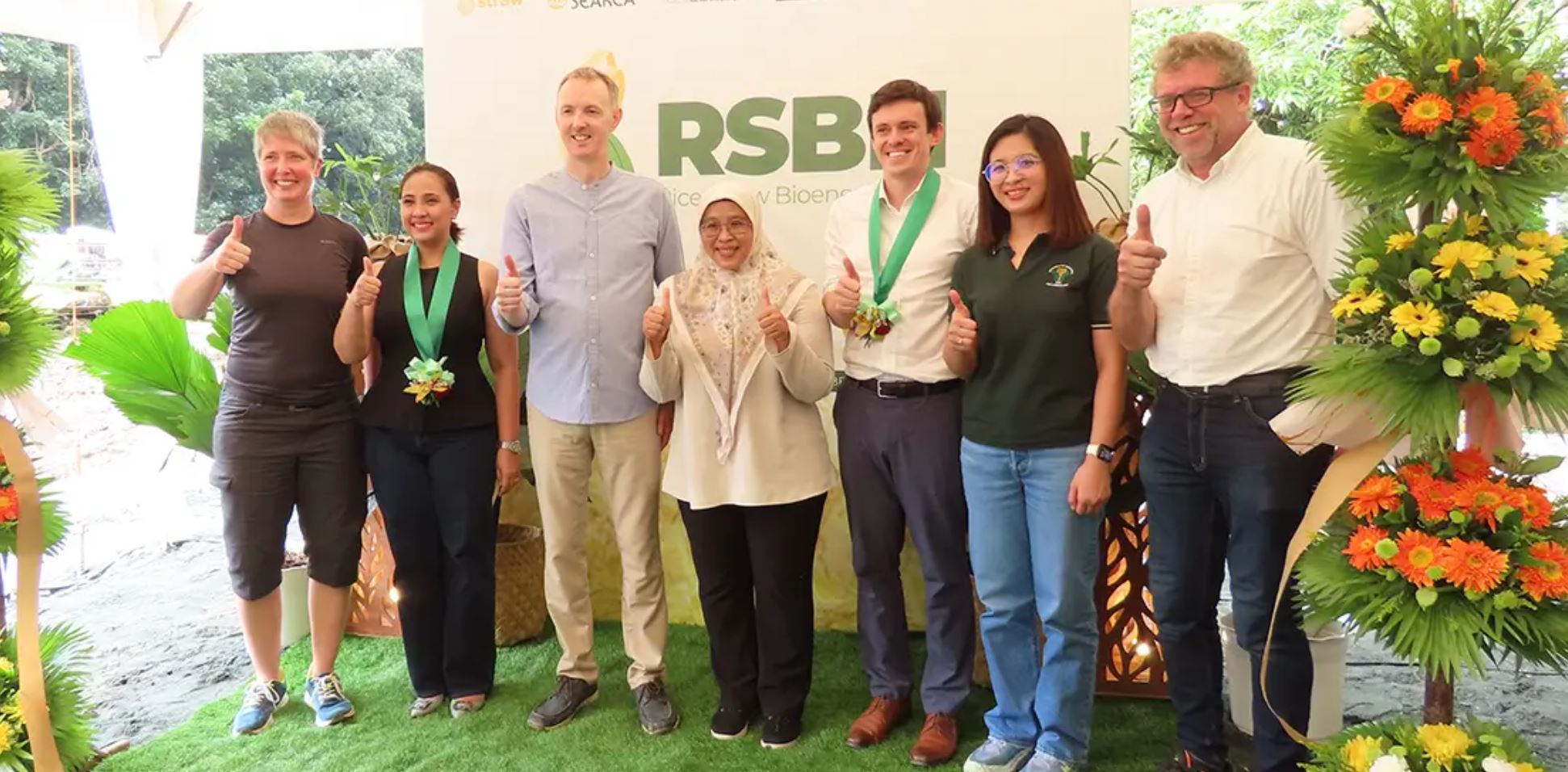
A UK-based firm has launched a new rice straw biogas hub in Laguna, establishing a two-hectare facility designed to process 10,000 metric tons (MT) of the plant material annually into methane, biochar and fertilizer.
Straw Innovations Ltd. built the P235 million facility in the municipality of Pila in collaboration with the Southeast Asian Regional Center for Graduate Study and Research in Agriculture (SEARCA), Ashton University in Birmingham and the UK government’s innovation agency Innovate UK.
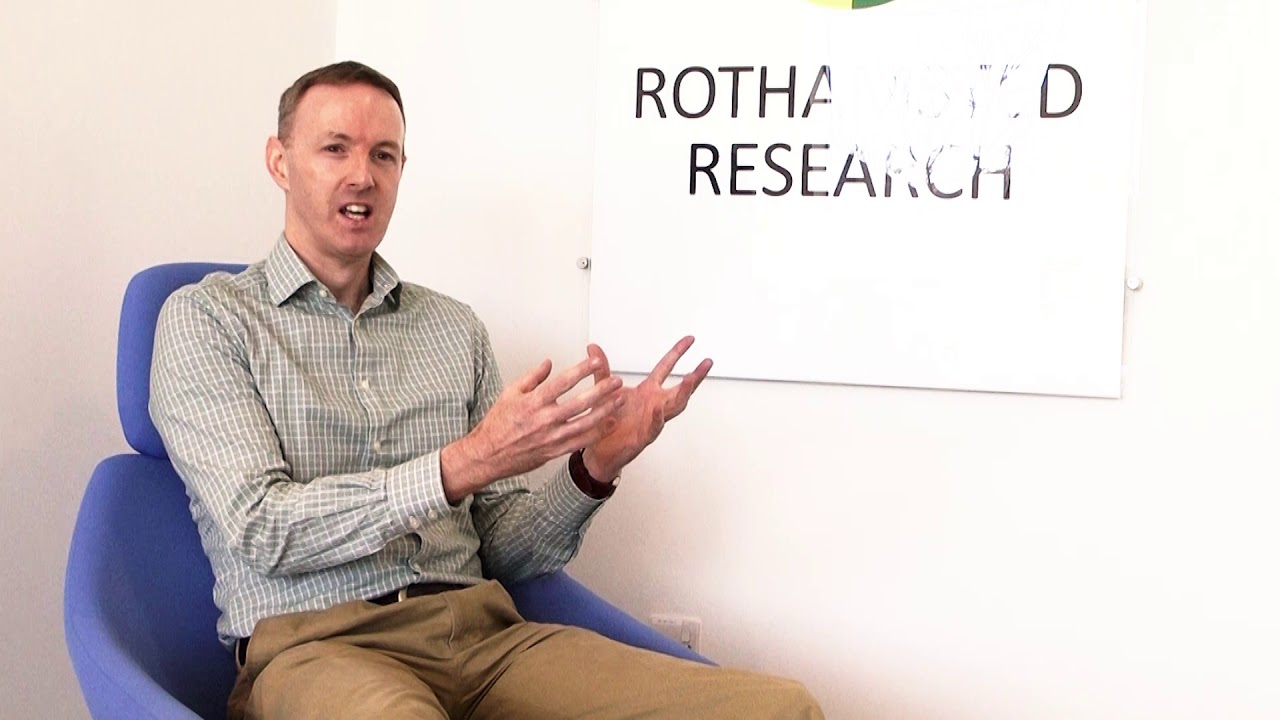
“The rice straw biogas hub is a testament to what we can achieve when science and community come together,” Straw Innovations founder Craig Jamieson said in his speech during the launch ceremony.
In an interview on the sidelines of the event, Jamieson said the Philippine market presents an annual revenue potential of about half a million pounds for their business model. He added that with few players in the sector, their business model is among the first to show how rice straw can be profitably and sustainably collected and reused rather than burned or left to decay in the fields.
“We’re breaking new ground here,” Jamieson said, adding that there are plans to further scale up operations in the future. Jamieson added the company is in talks with banks and investors to expand to other rice-producing provinces such as Nueva Ecija and Isabela.
Acknowledging the operational challenges posed by navigating local regulations and the Philippines’ vulnerability to typhoons, the establishment of the Rice Straw Biogas Hub is a crucial step toward sustainable rice cultivation. SEARCA program specialist Lichelle Carlos highlighted that properly managing and collecting rice straw instead of burning it is vital, as this practice not only reduces emissions but also creates value-added products for farmers. Research conducted by the center shows a significant environmental benefit: adopting technologies that repurpose rice straw into bioenergy or organic fertilizer can reduce greenhouse gas emissions from rice cultivation by an estimated 24 to 38 percent, directly mitigating the effects of post-harvest field burning.
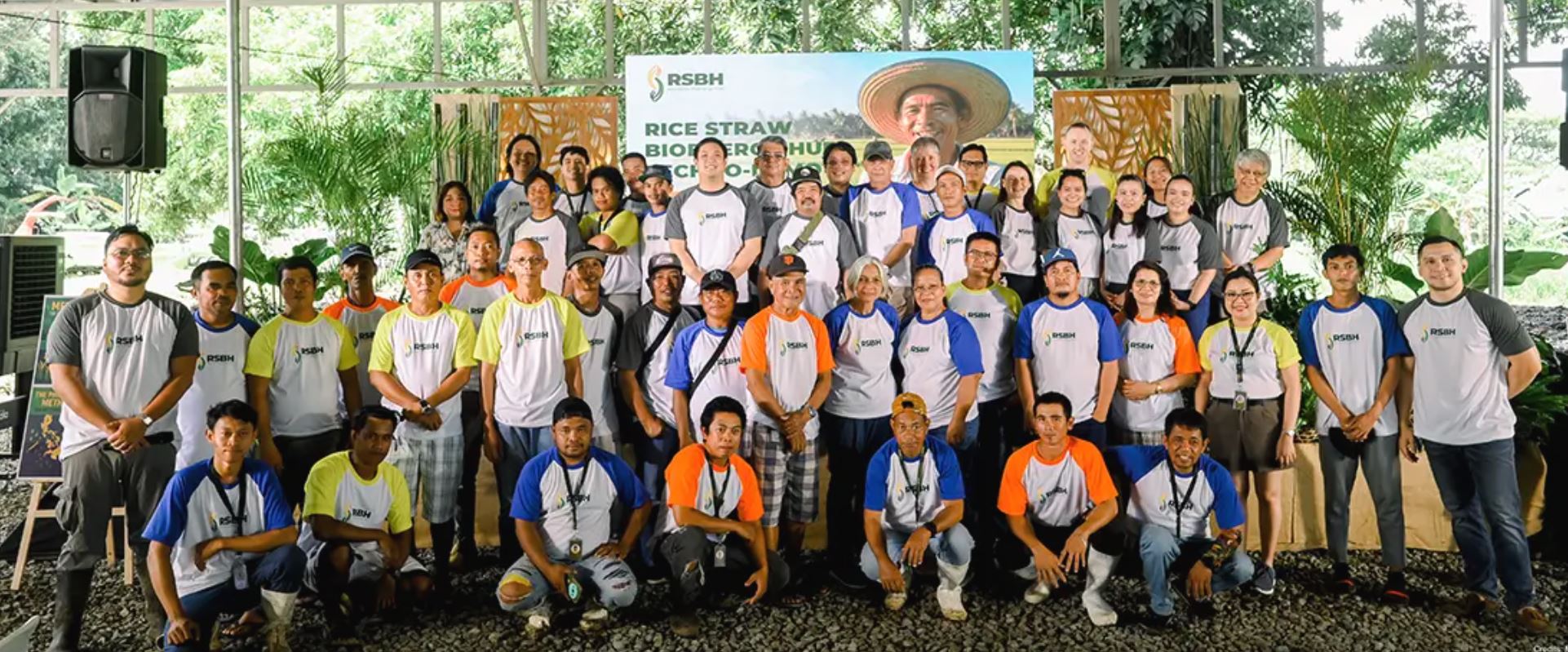
“Rice straw is also hard to collect for farmers because it is scattered across the fields and produced in large volumes,” Carlos said, illustrating the logistical and cost challenges that make many farmers resort to burning the residue after harvest.
With additional report: The Philippine Star, Alden Monzo