Filipino scientists who returned home under the Department of Science and Technology’s Balik Scientist Program are proving that world-class innovation can come from Filipino minds and can change lives on the ground.
The DOST recently honored the achievements of these scientists during the 11th Annual Balik Scientist Program Convention in Pasay City, highlighting how their work is transforming key sectors such as health, agriculture, energy and coastal resilience.
“It highlights that the true strength of the Balik Scientist Program lies not only in bringing back globally trained experts, but also in transforming their expertise into concrete actions, policies, technologies and solutions that directly uplift and benefit our people,” said DOST Secretary Renato Solidum Jr.
Solidumn lauded the diverse contributions of returning scientists, from developing vaccines to advancing coastal engineering and renewable energy, saying these show how Filipino innovation can address urgent national challenges.
The two-day event featured poster exhibits, TED-style BSP Talks and a Kapihan Session on policy innovation. Returning scientists presented breakthroughs in neurogenetics, aquaculture, biotechnology and renewable energy.


Two prominent Balik Scientists showcased their cutting-edge research: Dr. Angelo Bañares, affiliated with the University of Mindanao and Pampanga State Agricultural University, specializes in metabolic engineering and synthetic biology, leading a project that converts used plastics into glycolic acid (an ingredient for cosmetic exfoliants) using microbial processes; while Rev. Fr. Nicanor Austriaco, hosted by the University of Santo Tomas, presented his pioneering biotechnology work, which includes an oral COVID-19 vaccine developed from probiotic yeast, in addition to his role advising President Marcos on national healthcare reforms and vaccine policies as a member of the Private Sector Advisory Council for Healthcare.
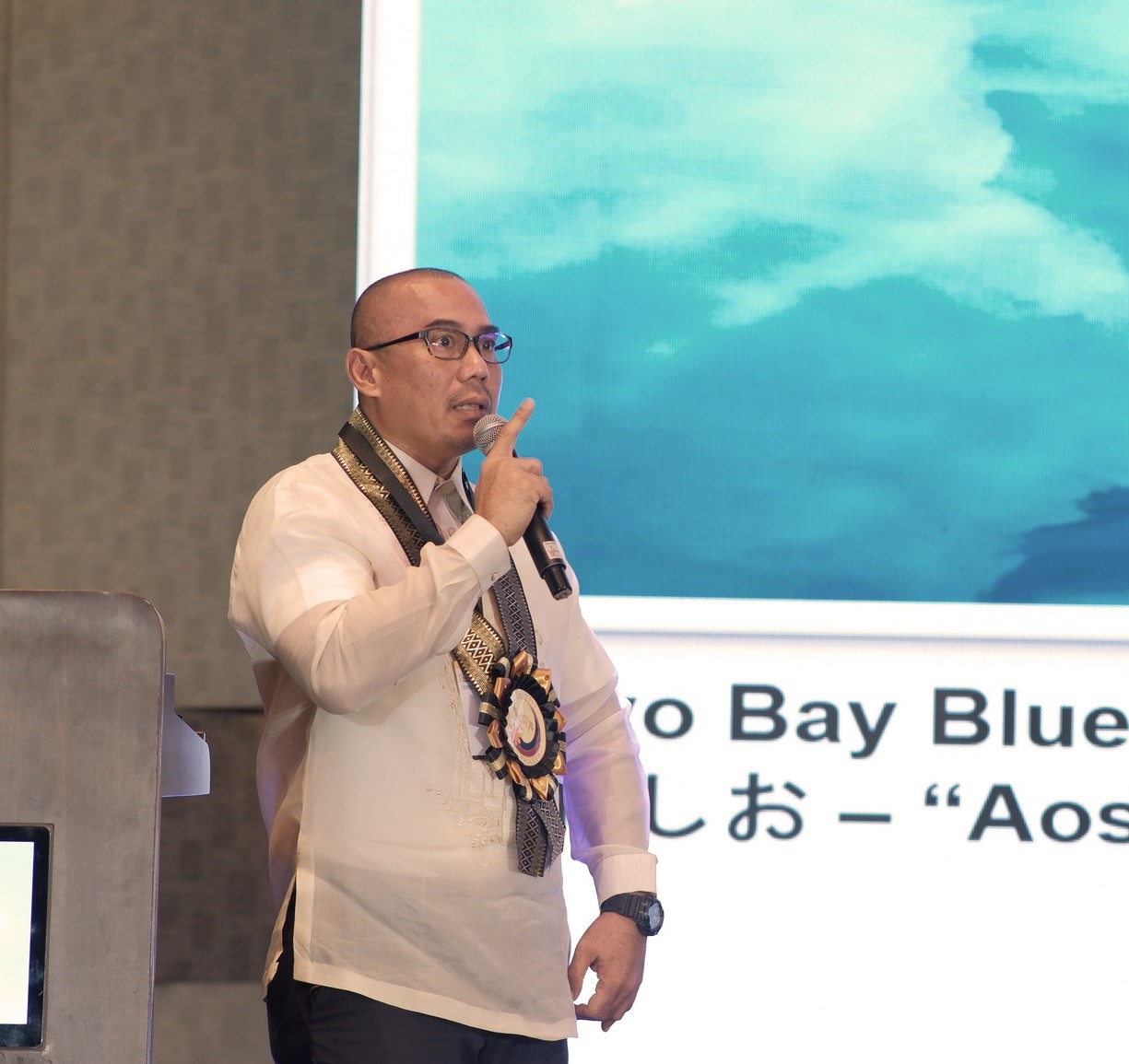
Meanwhile, Dr. Joemel Quisumbing presented a modeling framework for sustainable cage aquaculture and coastal pollution control, a comprehensive tool integrating environmental, social and technological factors to promote ecosystem-based management and protect marine resources.
Since its inception in 1975, the Balik Scientist Program has brought home 697 scientists across various fields, with 933 engagements recorded to date.
With additional Report: The Philippine Star, Mark Ernest Villeza